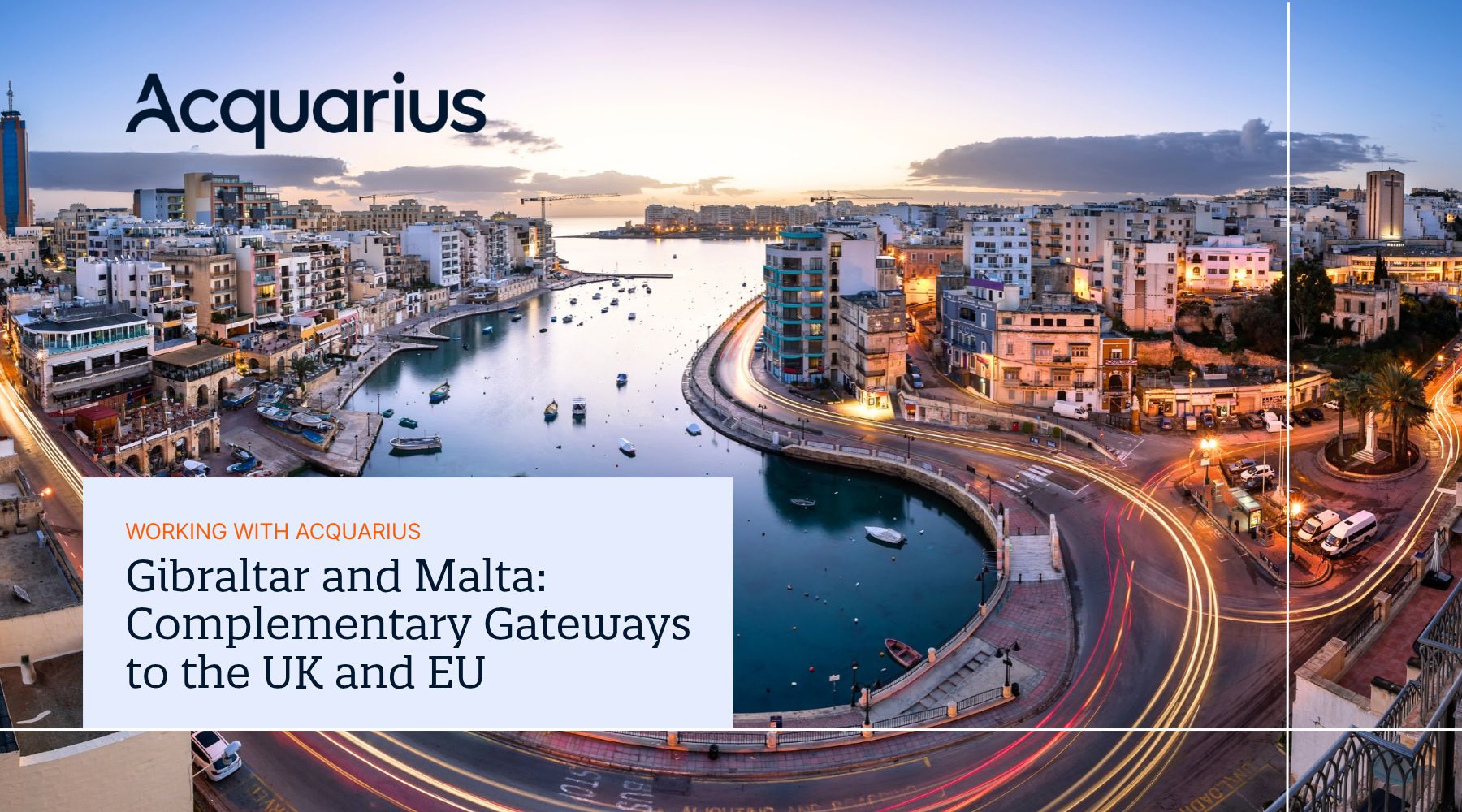
As CEO of a Gibraltar owner-managed trust company, I never tire of writing about Gibraltar which is our home jurisdiction. I have often written about Malta too. It is lazy to compare the two and leave it at that. What interests me more is how they work together, creating a unique double offering for our international clients and their advisers. Properly combined, the strengths of each jurisdiction can create opportunities that neither could offer on its own.
Gibraltar and Malta as natural partners for cross-border structuring
Both places are English-speaking territories that punch well above their weight especially in financial services. Far from being rivals, the jurisdictions are natural partners resulting in huge benefits for clients wishing to combine the advantages of both centres.
A shared British heritage and familiar legal frameworks
Although their history dates back millennia, in recent centuries, Gibraltar and Malta share a British heritage. In the same time zone, English is the official business language and both benefit from robust but not stifling regulation allowing them to focus on private client and corporate work particularly in areas such as insurance, funds, online gaming and more recently, distributed ledger technology.
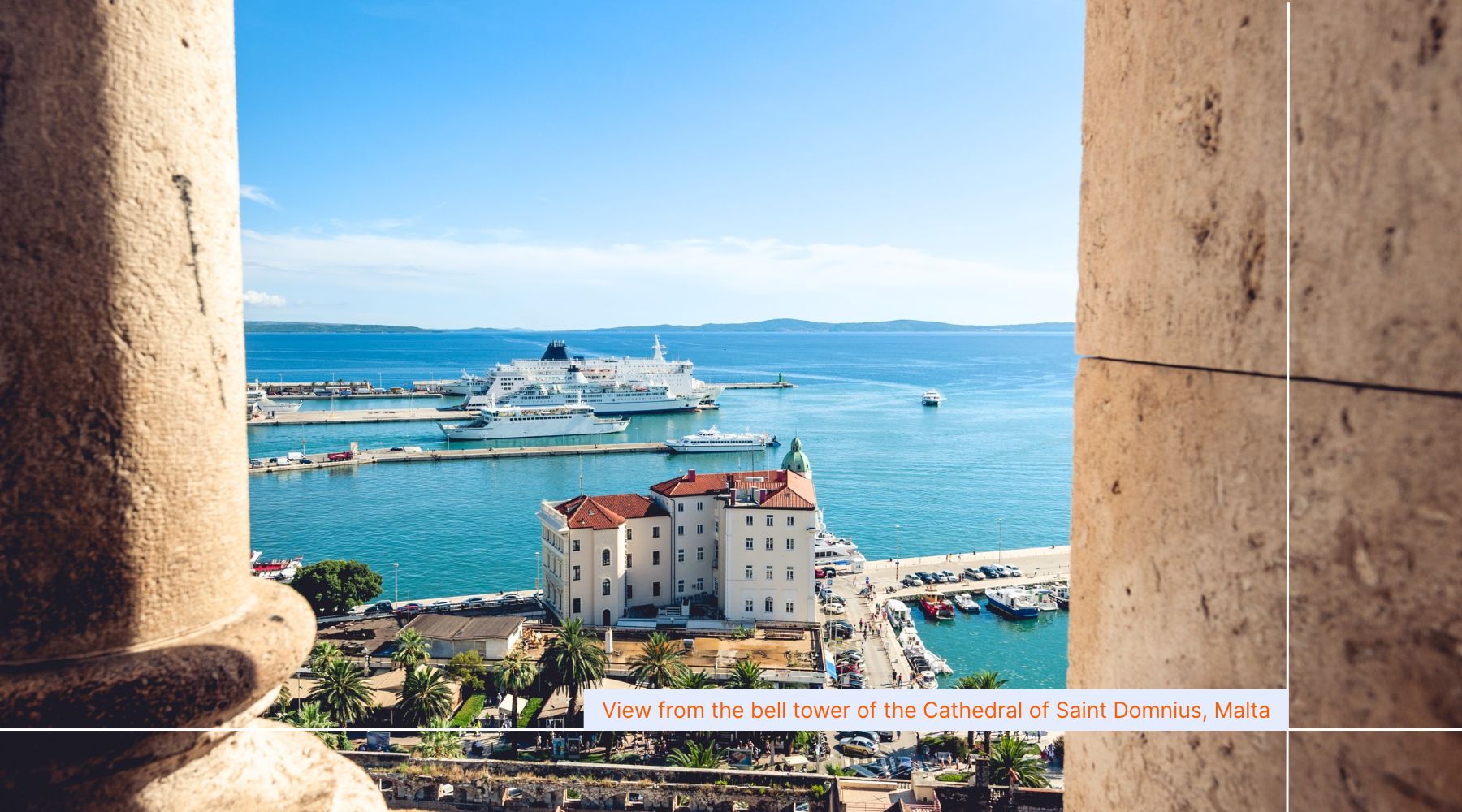
Those who have visited both Gibraltar and Valletta, Malta’s historic capital, will have noted similar architecture and city layout. But the shared history goes far deeper than that, rooted in a shared British connection. These similarities help businesses and professional advisers operate confidently across both jurisdictions, working within familiar legal and regulatory frameworks.
Combining UK and EU market access
Key differences between the two do not mean that one is better than the other. However, advisers and their clients may decide to combine elements found in one jurisdiction or the other depending on their requirements.
Malta gained its independence in 1964. It became a self-governing republic ten years later and joined the EU in 2004. Gibraltar is a British Overseas Territory and, like Britain, is not an EU member. Malta benefits from access to the Single Market, so its firms can “passport” their services which is attractive to the insurance and fund sector. Gibraltar, by contrast, offers UK market access to eligible locally regulated financial firms under the Gibraltar Authorisation Regime (GAR). Firms such as Acquarius in collaboration with their Maltese counterparts offer their clients both UK and EU access from two English-speaking bases. Neither place can do that alone.
Corporation tax and double tax treaty networks
Gibraltar corporation tax is levied at the current rate of 15% on profits accrued in or derived from Gibraltar. Malta imposes a higher headline rate, but a refund system may allow for a reduced effective level of taxation for non-resident shareholders, depending on circumstances and the type of income involved.
Malta has entered more than seventy double tax treaties whilst Gibraltar has just two (with the UK and Spain.) Gibraltar focuses on local substance and the UK link thus it is attractive to those seeking to work with UK-facing trading companies. Malta is a “treaty hub” and may be more suitable for European companies requiring access to its extensive treaty network.
VAT, sterling and the euro
Clients benefit from different VAT status in both places. There is no VAT in Gibraltar while in Malta it is charged at the current rate of 18% for most goods and services. Thus, Gibraltar is ideal for services where VAT is not applicable such as holding structures and private client work while Malta is attractive where a VAT number is needed for trading in the EU in yachting, leasing and e-commerce.
Gibraltar uses the pound sterling and Malta the euro. Using both jurisdictions in tandem may be attractive to clients holding both UK and EU business investments. It can allow for structures that accommodate sterling and euro-denominated assets and transactions, helping clients manage their currency requirements more effectively.
A collaborative approach in practice
So how does this work in practice? Acquarius has built good relationships with Maltese counterparts over the years and there are several ways in which the two jurisdictions can be used together, depending on the client’s objectives.
Cross-referrals between Gibraltar and Maltese firms
Cross referrals, both ways, can result in the creation of joint ventures or a simpler arrangement in the two places. Carefully using different components of the resulting structure across both (for example a trust in Gibraltar and an EU fund in Malta) ensures that the underlying client receives joined up best advice from the chosen professional firms.
Joint Gibraltar and Malta holding structures
Joint structures take the concept one stage further. Here, a Gibraltar holding company may own a Maltese operating vehicle (or of course, vice versa.) Depending on the client’s circumstances and requirements, such an approach may combine the benefits the Maltese treaty network with the relevant UK and EU market access arrangements, while allowing the structure to accommodate sterling and euro-denominated activities.
Shared back-office and white label arrangements
A third distinct strategy could involve a “white label” or back-office arrangement. A Gibraltar based firm might provide support with UK-facing compliance requirements and sterling banking relationships, while its Maltese counterpart handles the equivalent EU arrangements and euro-denominated banking. Subject to the appropriate regulatory permissions and oversight, costs and operational responsibilities could be shared, creating an effective structure across both jurisdictions.
Collaboration between jurisdictions, tailored to each client
The Gibraltar-Malta connection is unique and well-established firms have developed their business in both countries for decades. As an accountant, I should not admit that “one plus one equals three” but here it may be true. Collaborating with firms in both places, which complement one another rather than merely compete, allows clients to select the right elements from each jurisdiction and create a structure tailored to their individual requirements.
Together, these two gateways offer a range of opportunities that neither jurisdiction could provide independently. Of course, clients do not need to use both places, but the ability to do so is there where circumstances justify the additional effort. Please contact me should this approach appeal so that we may discuss how this might work for you or your clients.